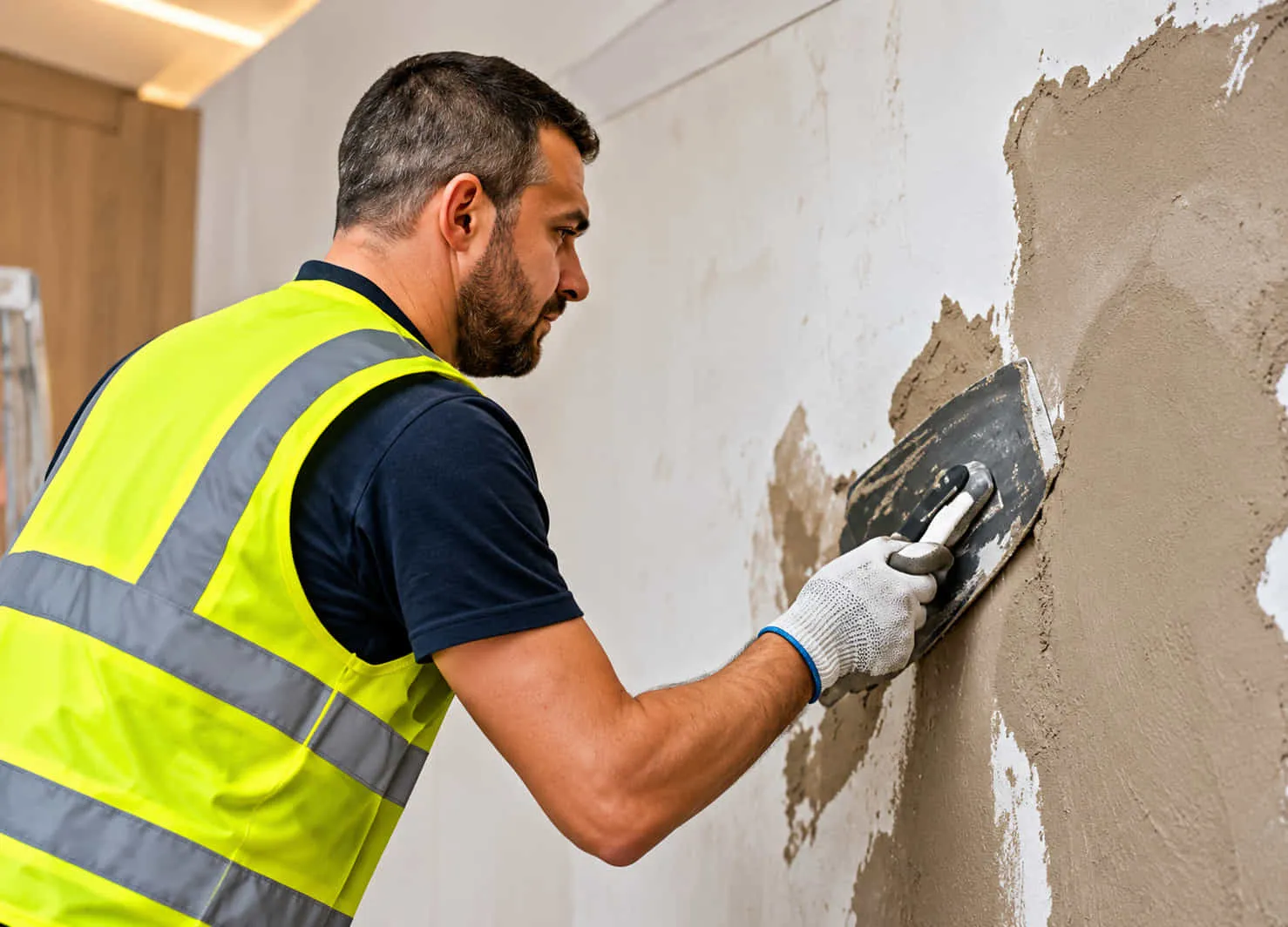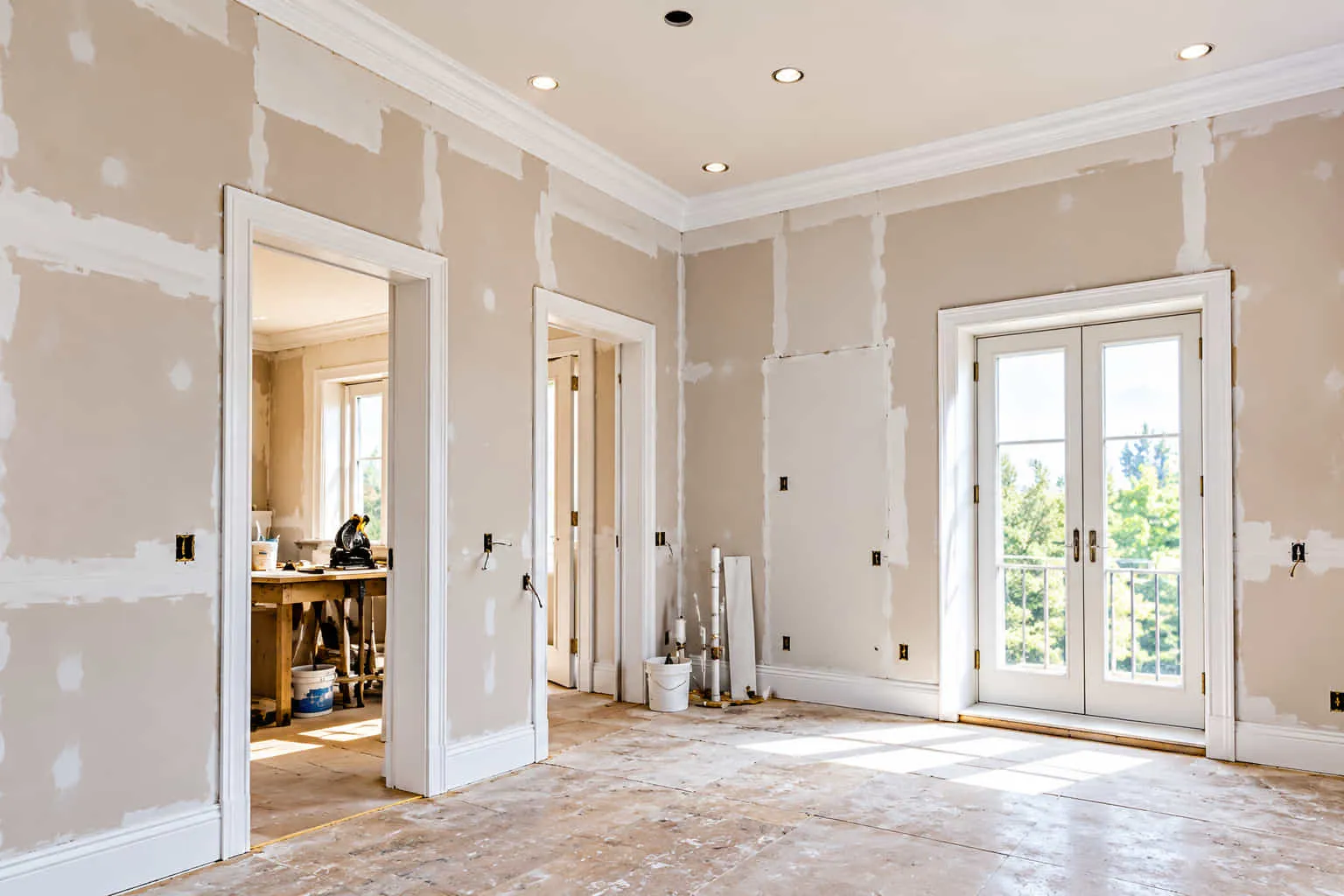
New plaster needs time and steady conditions to dry properly. Rushing it is the most common cause of cracking, flaking paint and patchy finishes.
Let it dry naturally
- Ventilate: keep a window slightly open and doors ajar so moisture can escape.
- Gentle heat only: normal background heating is fine; avoid pointing heaters or dehumidifiers directly at the walls in the first days.
- Watch the colour: plaster goes from dark brown to an even pale pink as it dries. Dark patches mean it is still wet.
How long does it take?
A skim coat over plasterboard often dries in a few days. Backing coats and work on solid walls take longer, and cold or damp weather slows everything down. Every room is different, so go by the colour rather than the calendar.
The mist coat
Fresh plaster is very absorbent. A mist coat — a water-based matt emulsion thinned with water as the manufacturer recommends — soaks in and seals the surface so the following coats bond properly.
Avoid vinyl and silk paints for the first coat. They form a skin on the surface instead of soaking in, which can lead to peeling.
Hanging pictures and shelves
Wait until the plaster is fully dry and decorated before drilling. Use fixings suited to the wall type — plasterboard and solid masonry need different plugs.