Summary
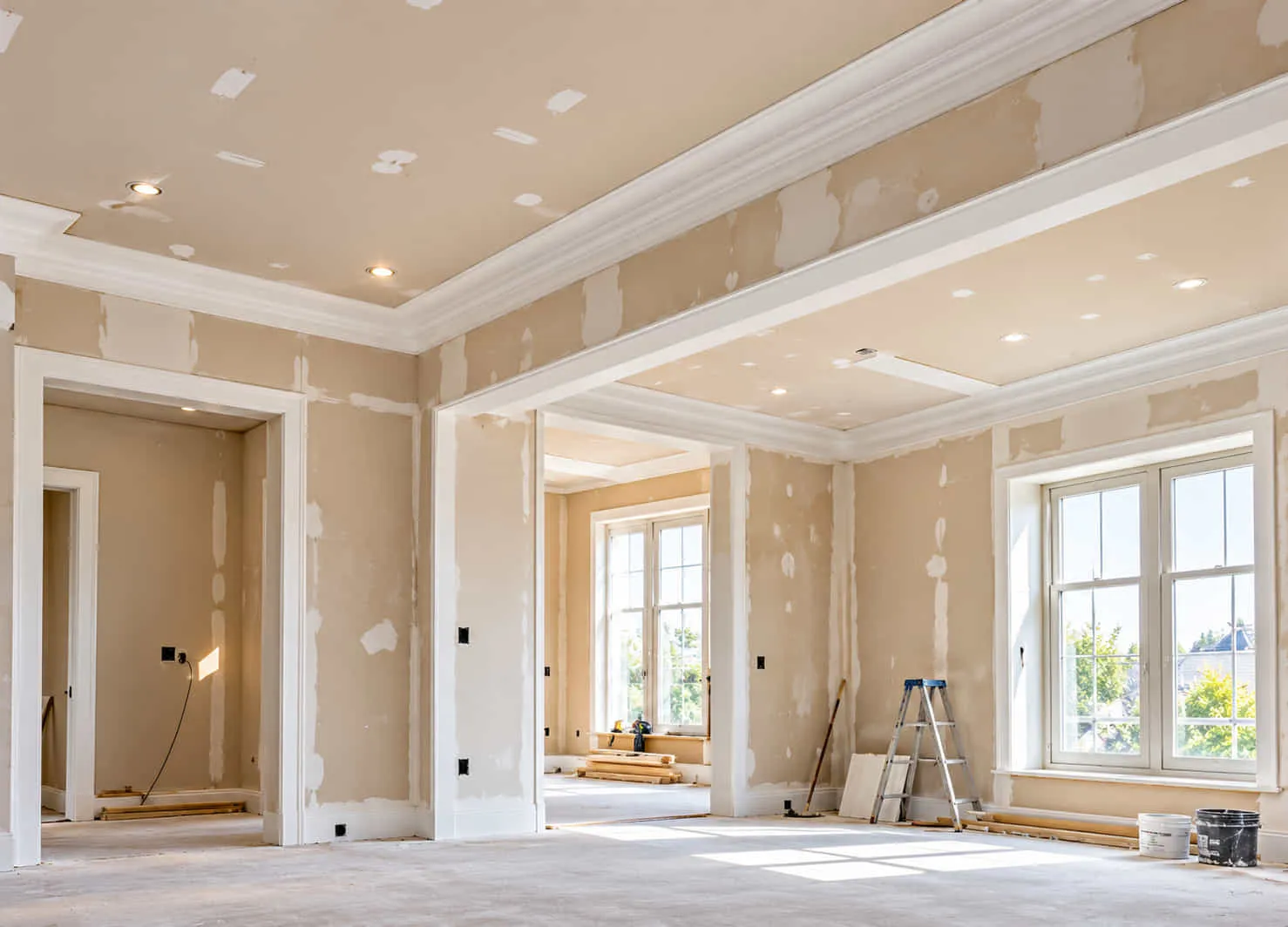
Dry lining means fixing plasterboard to walls and ceilings — with adhesive, battens or a metal frame — instead of applying wet backing plaster. The boards are then skimmed or taped and jointed. It is faster, adds less moisture to the building, and can improve fire, acoustic and thermal performance.
The main dry lining methods
- Dot and dab: boards bonded to masonry with adhesive dabs.
- Metal furring or battens: boards screwed to a frame fixed to the wall, useful on uneven or damp-prone walls.
- Metal stud partitions: free-standing walls built from steel studs and track.
- MF ceilings: suspended metal framework with plasterboard fixed below.
Dry lining vs wet plastering
Dry lining is quicker on large areas, introduces far less water and lets decoration start sooner. It is standard in commercial fit-outs and new developments.
Wet plaster is harder, more impact-resistant and often better on solid masonry and in period homes. Many projects use both.
Performance boards
Boards are available with moisture resistance for bathrooms and kitchens, fire resistance for compartment walls and escape routes, acoustic cores for meeting rooms and flats, impact resistance for corridors, and bonded insulation for thermal upgrades.
On commercial projects, fire and acoustic ratings depend on the complete tested system — studs, boards, insulation, fixings and sealants — not just the boards.
Finishing
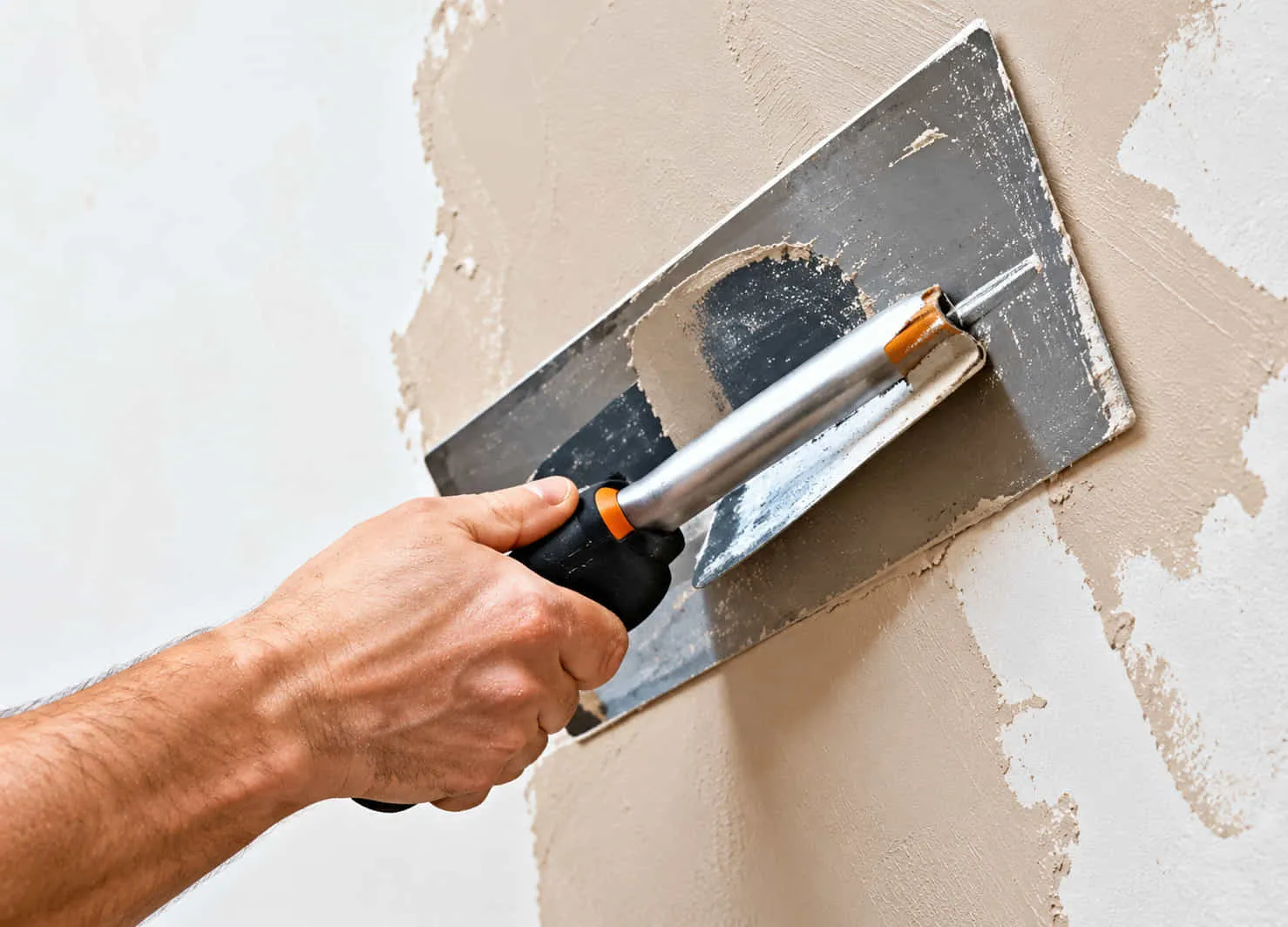
Boards can be skimmed for a hard, uniform plaster surface or taped and jointed for a faster, cleaner finish. Specifications usually state which is required.